Physical Therapy Baltimore, MD
physical therapy services Baltimore, MD

Prevent Runner’s Knee During Marathon Prep

Marathon training pushes your body to new limits. That’s kind of the point. But while you’re building endurance and speed, there’s a good chance you’ll encounter patellofemoral pain syndrome. Most runners just call it runner’s knee. Nearly 23% of runners deal with this at some point. It can completely derail your training schedule if you don’t address it early. The good news? You can prevent most cases with the right approach to training and body mechanics.

Understanding Runner’s Knee In Marathon Runners

Runner’s knee creates pain around or behind the kneecap. It typically gets worse during runs, going up or down stairs, or even just sitting for long periods. The condition develops when your patella doesn’t track properly in its groove, which creates friction and inflammation. When you’re logging 30 to 50 miles per week during marathon training, repetitive stress compounds quickly. Your knees absorb force equal to three to four times your body weight with each running stride. Multiply that by thousands of steps, and even minor biomechanical inefficiencies become real problems.

Build Hip And Glute Strength

Here’s what many runners don’t realize. Weak hip stabilizers are often the hidden culprit behind runner’s knee. When your glutes and hip muscles can’t control your leg position, your knee rotates inward during foot strike. This creates abnormal tracking of the kneecap. It’s a chain reaction that starts at the hip and ends with knee pain. Incorporate these exercises three times per week:

  • Single-leg bridges with a 3-second hold at the top
  • Clamshells with resistance bands for 15 reps per side
  • Lateral band walks to activate hip abductors
  • Single-leg deadlifts for balance and posterior chain strength

These movements target the gluteus medius and maximus. Those muscles control hip stability during your running gait cycle, and they’re probably weaker than you think.

Increase Mileage Gradually

The 10% rule exists for a reason. Increasing your weekly mileage by more than 10% dramatically raises injury risk. Your connective tissues need time to adapt to new training loads. If you’re currently running 20 miles per week, add only 2 miles the following week. This gradual progression allows your muscles, tendons, and cartilage to strengthen appropriately. Rush this process, and you’re asking for trouble. LeMoine Physical Therapy emphasizes progressive loading in all rehabilitation and training programs because we’ve seen what happens when runners try to do too much too soon.

Address Your Running Form

Small adjustments to your running mechanics can significantly reduce knee stress. Increasing your cadence to 170-180 steps per minute shortens your stride and reduces impact forces. Many runners overstride. They land with their foot far ahead of their center of mass, which creates a braking effect with every step. Focus on landing with your foot closer to your body. This decreases braking forces and stress on the patellofemoral joint. A slight forward lean from your ankles helps too. Not from your waist. This adjustment maintains proper alignment throughout your entire kinetic chain.

Strengthen Your Quadriceps Properly

Strong quadriceps support proper patellar tracking, but not all quad exercises benefit runners equally. Terminal knee extensions and step-downs target the vastus medialis oblique. That’s the inner quad muscle that guides kneecap movement. Perform step-downs from a 6 to 8-inch platform. Focus on controlled lowering rather than speed. The eccentric phase builds strength that directly translates to running mechanics. You’re essentially teaching your muscles to handle the forces they’ll encounter during actual running.

Don’t Ignore Early Warning Signs

Pain during or after runs signals a problem. Continuing to train through knee pain often transforms a minor issue into a serious injury requiring weeks of rest. Nobody wants to hear that, but it’s true. Baltimore physical therapy services can assess your gait mechanics and identify specific weaknesses before they sideline your training. Physical therapists use video gait analysis to spot biomechanical flaws you can’t see yourself. They also design individualized strengthening programs targeting your specific deficits, not generic runner problems.

Recovery Matters As Much As Training

Your body doesn’t get stronger during runs. It repairs and strengthens during rest. Marathon training requires at least one full rest day per week. Consider adding cross-training activities like swimming or cycling to maintain cardiovascular fitness while reducing impact stress. Your joints will thank you. Adequate sleep and nutrition also support tissue recovery. Protein intake helps repair muscle damage. Proper hydration maintains cartilage health. These aren’t minor details.

Get Professional Assessment When Needed

If you develop knee pain that persists beyond a few days, don’t wait to seek help. Early intervention prevents minor issues from becoming major setbacks. Baltimore physical therapy services offer comprehensive movement assessments that identify the root cause of your pain. A physical therapist can determine whether your runner’s knee stems from weak hips, tight muscles, improper footwear, or training errors. They’ll create a targeted treatment plan that keeps you training while addressing the underlying problem. With the right prevention strategies and professional guidance when needed, you can complete your marathon training healthy and strong.

orthopedic physical therapy Baltimore, MD

Hip Pain That Starts In Your Feet

That nagging ache in your hip might seem like a joint problem, but there’s a good chance your feet are the real culprits. Your body works as a connected chain, and when one link breaks down, everything above it has to compensate.

The Kinetic Chain Connection

Your feet are the foundation of every step you take. When they don’t move properly, your ankles, knees, and hips have to work overtime to keep you balanced and moving forward. This compensation pattern doesn’t happen overnight. It builds gradually until one day you notice your hip hurts after a long walk or feels stiff when you get out of bed. Think about a building with a crooked foundation. The walls above it have to shift and bend to stay upright. Your body does the same thing. Collapsed arches, tight calves, or even old ankle sprains change how your foot hits the ground. That altered gait pattern forces your hip to rotate differently with every step.

Common Foot Problems That Cause Hip Pain

Several foot conditions directly contribute to hip dysfunction:

  • Overpronation (when your arch collapses inward)
  • Supination (rolling outward on the outside edge)
  • Plantar fasciitis limits ankle mobility
  • Bunions are changing your toe-off pattern
  • Previous ankle injuries affecting stability

When your foot pronates excessively, your shin bone rotates inward. Your thigh bone follows. Your hip joint has to accommodate this twisted position thousands of times per day. Eventually, the muscles around your hip get tired and irritated.

How Physical Therapists Connect The Dots

At LeMoine Physical Therapy, we don’t just treat where it hurts. We look at how your whole body moves together. A comprehensive evaluation includes watching you walk, testing your hip and foot strength, and checking your ankle flexibility. Many patients are surprised when we spend time examining their feet during a hip pain assessment. But it makes perfect sense once you understand the mechanics. Your foot position during walking directly influences hip alignment. Fix the foundation, and the structure above it often feels better.

Treatment Starts From The Ground Up

Addressing hip pain that stems from foot problems requires a dual approach. You can’t ignore the hip entirely, but you also can’t skip the footwork. Baltimore orthopedic physical therapy focuses on both areas simultaneously. Strengthening your foot’s intrinsic muscles helps restore proper arch support. Improving ankle mobility allows better shock absorption. Working on hip stability ensures the joint can handle forces correctly. These interventions work together to restore normal movement patterns. Your therapist might also assess your footwear. Worn-out shoes or unsupportive sneakers accelerate foot dysfunction. Sometimes a simple shoe change makes a significant difference in symptoms.

When To Suspect Your Feet Are The Problem

Certain patterns suggest your hip pain originates lower down. Your symptoms might worsen after extended walking or standing. You could notice the pain increases when you’re barefoot but improves with supportive shoes. Maybe you’ve had foot or ankle injuries in the past that seemed to heal completely. Hip pain that doesn’t respond to traditional hip treatments is another red flag. If stretching and strengthening your hip hasn’t helped, the answer probably lies elsewhere in the chain.

Moving Forward Without Pain

Understanding the foot-hip connection changes how you approach treatment. Instead of constantly massaging or stretching a sore hip, you address the mechanical cause. Specialized Baltimore orthopedic physical therapy can identify these patterns and create targeted solutions. Your feet carry you through roughly 5,000 steps every single day. When they’re not functioning properly, that’s 5,000 opportunities for your hip to compensate. Getting evaluated means finding out whether your foundation needs reinforcement. Schedule an assessment to discover what’s really driving your hip discomfort and start working on solutions that address the actual source.

physical therapy services Baltimore, MD

The Four Most Common Reasons Why Patients Seek Out Physical Therapy

Physical therapy plays a vital role in helping people recover from injuries, surgeries, and chronic pain conditions. Whether it’s restoring movement, improving strength, or preventing future injuries, physical therapists are trained to evaluate each patient’s unique condition and create individualized treatment plans. Many people associate physical therapy only with rehabilitation after an accident, but its applications extend far beyond that. Below are four of the most common reasons patients seek the help of Baltimore, MD physical therapy services — and how these professionals support long-term recovery and wellness.

Rehabilitation After Injury Or Surgery

One of the primary reasons people visit a physical therapist is to recover after an injury or surgical procedure. Car accidents, sports injuries, workplace accidents, and falls can all result in damage to muscles, joints, ligaments, or bones. After surgery — such as a knee replacement, spinal fusion, or rotator cuff repair — physical therapy helps patients regain mobility, rebuild strength, and reduce stiffness.

A physical therapist designs a customized exercise and stretching program to safely restore function to the affected area. They also monitor the patient’s progress, adjusting the plan as healing occurs. This careful supervision helps ensure that patients recover properly without re-injury or long-term limitations. Rehabilitation also helps improve circulation and reduce scar tissue formation, both of which are key to regaining a full range of motion. For surgical patients, physical therapy often determines how quickly and effectively they return to their normal routines.

Chronic Pain Management

Millions of Americans live with chronic pain, often caused by conditions such as arthritis, fibromyalgia, lower back pain, or neck strain from poor posture or repetitive stress. Many patients turn to physical therapists when medications alone fail to provide relief or when they want to avoid long-term drug dependence.

Physical therapy focuses on identifying the underlying cause of pain rather than just treating the symptoms. Through a combination of manual therapy, targeted exercises, posture correction, and education, therapists help patients improve their movement patterns and strengthen the supporting muscles. Over time, this can significantly reduce or even eliminate chronic pain.

For instance, patients with chronic low back pain often learn exercises that strengthen the core and improve flexibility, providing long-term relief and stability. By teaching body mechanics and ergonomic techniques, physical therapists empower patients to take an active role in managing their pain and maintaining their health.

Improving Mobility And Balance

As people age or recover from illness or injury, balance issues and mobility limitations become common. A physical therapist can assess gait, strength, and coordination to identify areas of weakness that may contribute to falls or instability. This is especially important for older adults or those with neurological conditions such as Parkinson’s disease, multiple sclerosis, or stroke.

Therapists use targeted exercises to improve balance, coordination, and muscle strength, helping patients move more confidently and safely. They may also recommend assistive devices, such as canes or walkers, and provide guidance on how to use them properly. For patients who have lost confidence in their ability to move independently, this kind of therapy can be life-changing. Improved mobility not only prevents falls but also enhances overall quality of life by allowing individuals to remain active and self-sufficient.

Sports Performance And Injury Prevention

Athletes of all levels — from weekend joggers to professionals — frequently seek physical therapy to enhance performance and prevent injuries. Overuse injuries, such as tendonitis or stress fractures, can develop from repetitive motions or improper training techniques. Physical therapists evaluate movement patterns, muscle imbalances, and biomechanics to identify potential risk factors before they lead to injury.

They then design strength and conditioning programs that target specific muscle groups, improve flexibility, and correct alignment. For athletes recovering from an injury, physical therapists also help ensure a safe return to play through progressive rehabilitation exercises. Beyond healing, these programs teach proper warm-up and cool-down techniques, improving long-term athletic performance.

Call LeMoine Physical Therapy Today

Physical therapy is not just about recovery — it’s about prevention, performance, and maintaining a healthy, active lifestyle. Whether you’re healing from surgery, managing chronic pain, improving mobility, or enhancing athletic performance, a skilled physical therapist can guide you toward lasting results.

If you are struggling with pain, limited movement, or slow recovery after an injury, don’t wait to get the help you need. Contact LeMoine Physical Therapy today to schedule an evaluation. We’ll create a personalized plan to help you move better, feel stronger, and reclaim your quality of life. LeMoine Physical Therapy is known for its fun and caring environment, which helps our patients recover from pain and get back to doing what they love in no time.

physical therapy for sports Baltimore, MD

Physical Therapy For Sports

Physical therapy plays a major role in helping athletes recover from injuries and perform at their best. Whether we’re talking about a high school runner, a weekend tennis player, or someone training for a marathon, sports-related injuries can happen at any level. When they do,  Baltimore, MD physical therapy for sports becomes a key part of getting back in the game safely and effectively.

Why Athletes Turn To Physical Therapy

When someone is injured during physical activity, rest alone usually isn’t enough. Physical therapy offers targeted treatment designed to strengthen muscles, restore mobility, and improve coordination. It helps address not just the symptoms of an injury but the underlying cause. For example, a runner who develops knee pain may benefit from therapy that focuses on balance, flexibility, and hip strength to reduce future strain.

Our therapists often evaluate how the injury occurred and tailor a plan specific to the athlete’s body mechanics and sport. This personalized approach promotes long-term improvement rather than temporary relief.

The Recovery Process

A good recovery plan usually includes several stages. It begins with reducing pain and swelling, then moves into rebuilding strength and flexibility. As recovery progresses, the focus shifts toward restoring function and reintroducing sport-specific activities. This step-by-step process gives athletes the confidence to return to play without fear of reinjury.

Since 2007, our physical therapists have used manual therapy, stretching, resistance training, and balance work as part of a comprehensive plan. We track progress closely, making adjustments as the athlete heals.

Preventing Future Injuries

One of the biggest advantages of physical therapy is learning how to prevent future issues. Education is a major part of treatment. Athletes gain insight into posture, body mechanics, and movement efficiency. Strength training and flexibility exercises can help create a foundation that supports long-term performance and reduces strain during activity.

Our therapists also teach athletes how to warm up correctly, use proper form, and recognize early warning signs of injury. By developing these habits, athletes can stay active longer and perform better overall.

When To Seek Help

If pain lingers after activity, mobility feels limited, or swelling doesn’t go away, it’s a good idea to schedule an evaluation. Early intervention can shorten recovery time and reduce the risk of long-term damage. Even minor injuries can worsen without proper care.

Legal professionals can attest that many sports-related injuries arise in organized or recreational settings where liability and recovery costs come into play. Having the right treatment plan not only supports healing but may also strengthen any related legal claim.

Get The Support You Need

Sports are meant to be enjoyed, but when injuries occur, recovery takes teamwork. Physical therapy provides the structure, guidance, and encouragement needed to return to full strength. If you’ve been injured while participating in athletic activities, we encourage you to take your recovery seriously. Contact our team at LeMoine Physical Therapy today to learn how proper medical treatment can help you heal fully and move forward with confidence.

physical therapy services Baltimore, MD

Signs You Could Benefit From Physical Therapy

When discomfort, stiffness, or weakness begin to affect how we move through daily life, it’s easy to ignore the problem and hope it goes away. But if we’re dealing with ongoing pain, limited mobility, or slow recovery from an injury, it might be time to consider physical therapy. At its core, physical therapy helps us move better, heal properly, and regain strength. If you’re unsure whether it’s the right time to take that step, here are several signs that Baltimore, MD, physical therapy services could be a smart and effective choice.

Pain That Doesn’t Go Away

Pain that lingers for more than a few days, especially without a clear cause, can be a sign that something is out of alignment or not healing properly. Whether it’s joint pain, back pain, or a sharp twinge with movement, we shouldn’t brush it off. Physical therapy helps reduce pain by identifying and treating the underlying cause, not just the symptoms.

Loss Of Range Of Motion

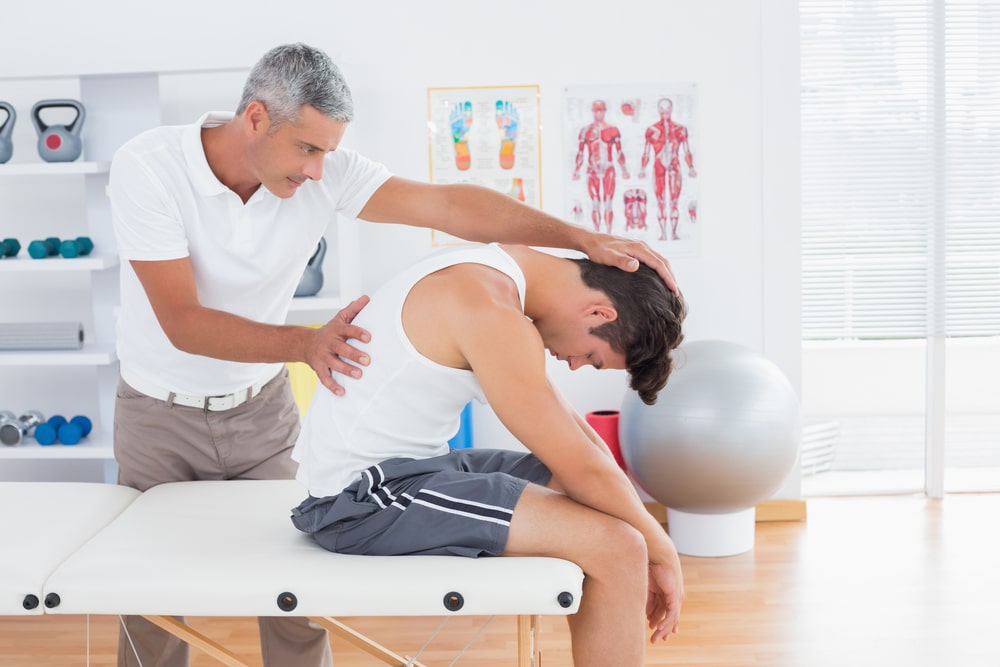
If we’re having trouble reaching overhead, turning our neck, or bending down like we used to, that’s a clear sign something’s not right. Loss of flexibility can stem from injury, muscle tightness, or joint dysfunction. Our licensed physical therapist can design stretches and strength-building movements to help restore that range and prevent further limitation.

Recovery After Surgery Or Injury

Post-surgical recovery doesn’t stop when we leave the hospital. Whether we’ve had a joint replacement, tendon repair, or other procedure, physical therapy plays a vital part in regaining full function. The same applies to injuries like sprains, fractures, or muscle tears. Without proper rehabilitation, we risk long-term problems or repeated injury.

Unsteadiness Or Balance Issues

If we find ourselves stumbling more often or feeling off balance, physical therapy can help. Balance problems may stem from weakness in the core or legs, neurological conditions, or even inner ear dysfunction. Our therapists use targeted training to improve stability, strengthen key muscles, and reduce fall risk.

Limited Strength Or Endurance

Feeling weaker than usual, even after rest, might point to muscle imbalances or deconditioning. This often happens after long periods of inactivity, illness, or injury. Our physical therapist can guide us through safe and progressive strength-building exercises to help us get back to where we want to be physically.

Frequent Headaches Or Neck Pain

Persistent headaches, especially when paired with neck stiffness, can sometimes be linked to poor posture or tight muscles. Instead of relying solely on medication, physical therapy may help reduce headache frequency by addressing movement patterns, posture, and muscle tension.

Sports Or Work-Related Strains

Whether we’re athletes or have physically demanding jobs, repetitive movements can put stress on certain muscles and joints. If we start to feel discomfort during or after an activity, early treatment can prevent more serious damage. Physical therapy not only helps us recover but also teaches us how to move in ways that reduce strain.

Moving Forward With Confidence

Since 2007, LeMoine Physical Therapy has provided patient-centered care. We believe that everyone deserves to move freely and live without constant pain. If you’re seeing any of the signs listed above, don’t wait for things to get worse. Reach out today, and let’s work together to get you moving better, feeling stronger, and living more comfortably.

physical therapy Essex MD

Common Misconceptions About Physical Therapy

There’s no shortage of confusion when it comes to what Essex MD physical therapy involves. We’ve heard it all—from thinking it’s only for athletes to believing it’s just about stretching or massage. The truth is, physical therapy is a vital part of helping people recover from injuries, manage pain, and regain strength and movement in a safe, progressive way. Our qualified team strives to correct these misconceptions so patients know what to expect and how treatment can truly help.

It’s Only Needed After Surgery Or Serious Injury

Many people wait until after a major surgery or traumatic event before considering physical therapy. While it’s true that recovery after surgery is one of the areas where we step in, it’s far from the only one. Physical therapy is also highly effective for treating everyday strains, posture-related pain, and movement issues that a dramatic incident hasn’t caused. The earlier someone starts addressing mild to moderate discomfort, the less likely it is to turn into something more serious.

You Have To Be In Pain To Benefit From It

This is one of the most common myths. Physical therapy isn’t just a response to pain—it’s also a proactive step toward better movement, posture, and strength. Many of our patients come in because they’ve noticed limited mobility, recurring tightness, or discomfort when performing routine activities. Therapy helps improve overall function, even when the issue hasn’t yet turned into chronic pain.

It’s Just Stretching And Exercises You Could Do At Home

While stretching and movement are part of what we offer, therapy is far more than a few general exercises. We tailor treatment plans based on each person’s specific condition, goals, and limitations. The exercises we guide you through are targeted and progress over time. More importantly, they’re done with careful observation and adjustments. Without proper oversight, it’s easy to do more harm than good. We also use manual therapy, hands-on techniques, and other methods that can’t be replicated without training.

Once The Pain Stops, Therapy Isn’t Necessary

Feeling better is a great sign, but stopping therapy too early can lead to setbacks. Pain relief is often just the beginning. Our goal is to correct the underlying cause, build up the body’s strength, and reduce the chance of the problem coming back. We encourage our patients to stick with their treatment plan even after symptoms fade so they can return to their daily life stronger and more resilient than before.

All Physical Therapists Do The Same Thing

Every therapist brings different experiences, training, and treatment focuses to the table. Just like any medical professional, our approach can vary based on our training and the needs of each individual. That’s why it matters to find someone who listens, builds a custom plan, and adjusts it as your recovery progresses. With over seventeen years of experience, we take pride in delivering personalized care that meets your body where it is and helps move it toward where it needs to be.

Let’s Work Together Toward Real Recovery

We know there’s a lot of noise out there when it comes to what physical therapy is and isn’t. That’s why at LeMoine Physical Therapy, we’re committed to providing clear, thoughtful guidance backed by real results. If you’re dealing with ongoing discomfort, recovering from injury, or simply want to move better, we’re here to help! Reach out today to learn more about how we can support your goals and get you on track to lasting progress.

10 Conditions We Target With Physical Therapy

At LeMoine Physical Therapy, we understand that every individual’s rehabilitation journey is unique, especially when it comes to addressing specific conditions. Our comprehensive Baltimore, MD physical therapy services are designed to provide personalized care and support for a wide range of conditions, helping patients achieve their goals and regain independence. Here are some of the specific conditions we specialize in treating:

  1. Back Pain: Back pain is a common condition that can significantly impact daily life. Our physical therapy services for back pain focus on relieving pain, improving mobility, and restoring function through a combination of manual therapy, therapeutic exercises, and postural correction techniques. You do not have to suffer daily with back pain; instead, work with a trained physical therapist to feel better.
  2. Neck Pain: Whether caused by poor posture, injury, or underlying conditions such as cervical spondylosis, neck pain can be debilitating. Our physical therapy interventions for neck pain aim to reduce pain, increase neck range of motion, and strengthen surrounding muscles to support proper alignment and function.
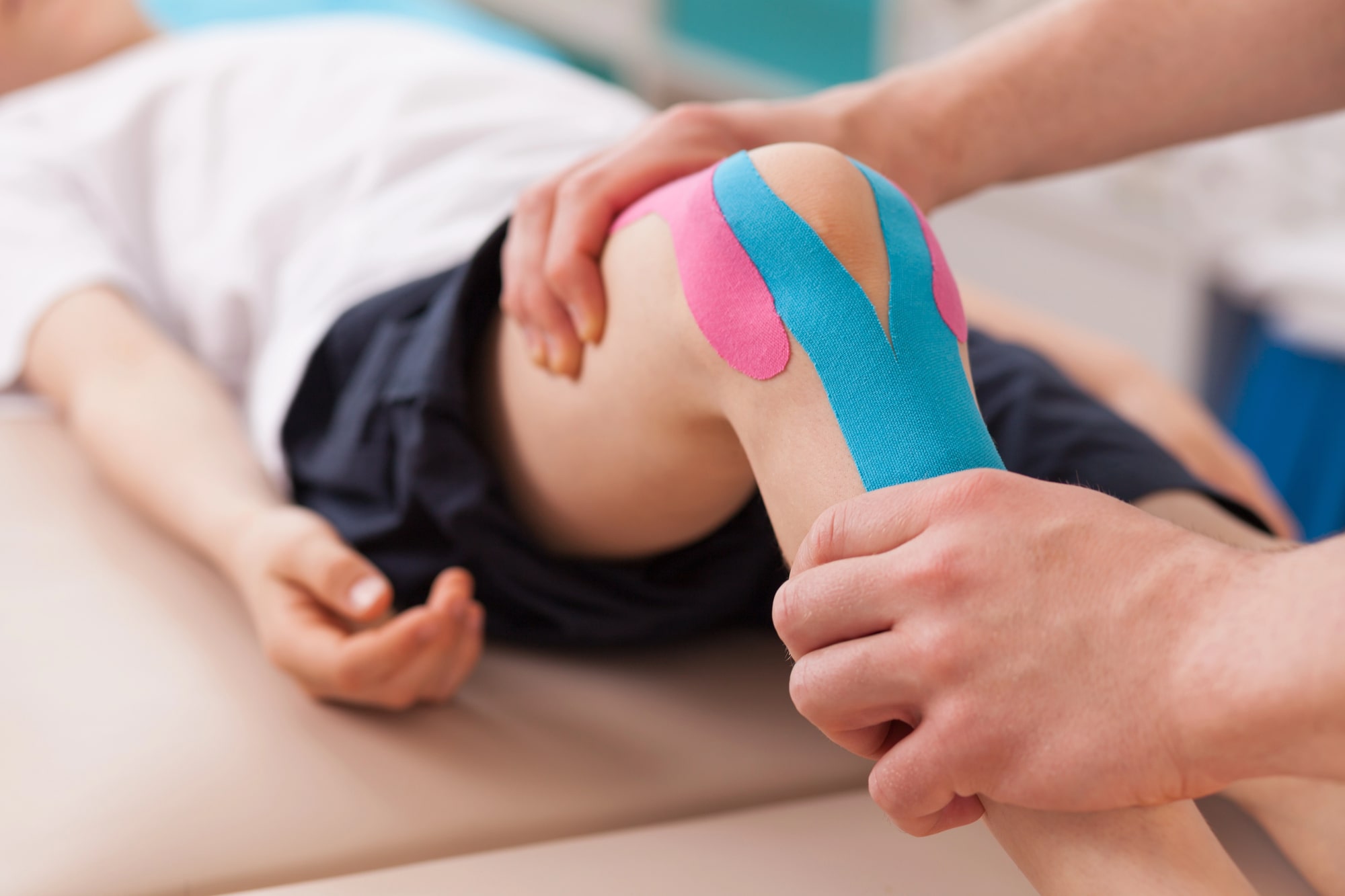
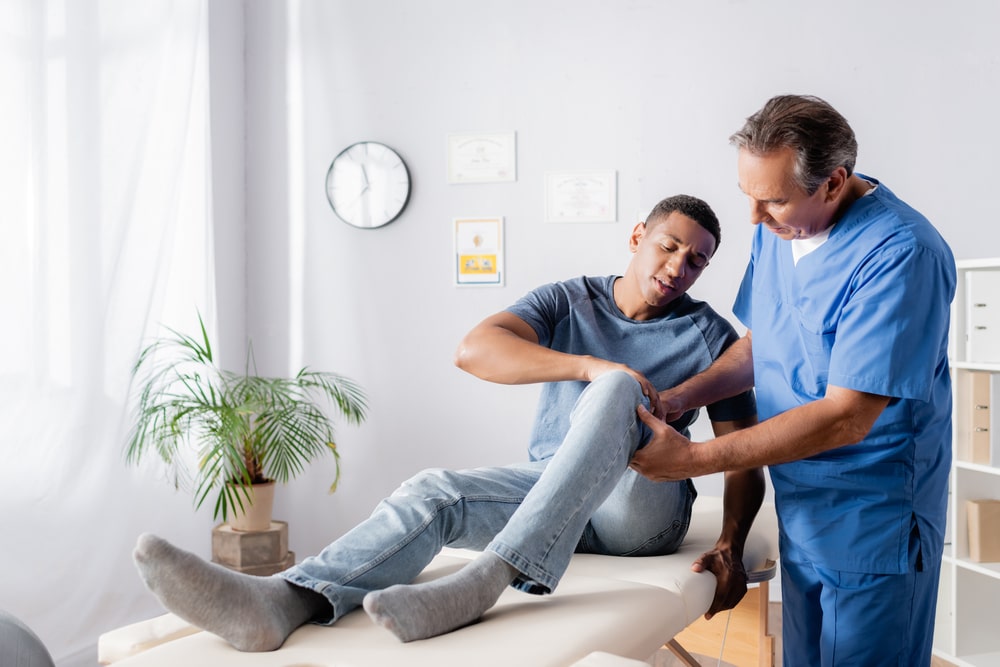
  3. Joint Injuries (e.g., Knee, Shoulder): Joint injuries, such as those affecting the knee or shoulder, can result from sports injuries, overuse, or trauma. Our physical therapy services for joint injuries focus on improving joint stability, flexibility, and strength through targeted exercises, manual therapy, and functional movement training.
  4. Arthritis: Arthritis can cause pain, stiffness, and reduced mobility in affected joints. Our physical therapy interventions for arthritis aim to manage symptoms, improve joint function, and enhance overall quality of life through exercise programs, joint mobilization techniques, and patient education on pain management strategies. Ongoing treatments can help not just manage arthritis but make your daily life more comfortable.
  5. Stroke: Stroke survivors often face challenges with mobility, balance, and coordination. Our physical therapy services for stroke rehabilitation focus on maximizing recovery and independence through gait training, balance exercises, functional mobility training, and task-specific activities tailored to each patient’s needs and goals.
  6. Traumatic Brain Injury (TBI): Traumatic brain injuries can result in a wide range of physical, cognitive, and emotional impairments. Our physical therapy interventions for TBI aim to address mobility deficits, improve balance and coordination, and facilitate a safe return to daily activities through specialized rehabilitation techniques and progressive goal-setting.
  7. Spinal Cord Injury (SCI): Spinal cord injuries can have profound effects on mobility and function. Our physical therapy for SCI focuses on maximizing independence, improving strength and endurance, and addressing secondary complications through targeted exercises, functional electrical stimulation, and adaptive equipment training.
  8. Chronic Pain Syndromes: Chronic pain syndromes, such as fibromyalgia or complex regional pain syndrome (CRPS), can be challenging to manage. Our physical therapy interventions for chronic pain focus on improving function, reducing pain levels, and enhancing coping strategies through a multimodal approach that may include manual therapy, therapeutic exercise, and pain neuroscience education. Chronic pain does not have to keep you from your daily life — with physical therapy you can manage your condition.
  9. Post-Surgical Rehabilitation: After surgery, proper rehabilitation is essential for optimal recovery. Our physical therapy services for post-surgical rehabilitation are tailored to each patient’s specific procedure and recovery goals, focusing on restoring mobility, strength, and function while minimizing pain and reducing the risk of complications.
  10. Geriatric Rehabilitation: Older adults may face unique challenges related to mobility, balance, and chronic conditions. Our services for geriatric rehabilitation focus on improving functional independence, preventing falls, managing chronic conditions, and enhancing overall quality of life through personalized exercise programs and functional mobility training.

At LeMoine Physical Therapy, we are dedicated to providing compassionate, evidence-based care to help our patients achieve their rehabilitation goals and live life to the fullest. If you or a loved one is in need of physical therapy services for a specific condition, don’t hesitate to contact us for personalized evaluation and treatment. Let us be your partner in recovery and wellness.

Contact us today to schedule your appointment and start your journey towards improved function and quality of life with our specialized physical therapy services.

The Benefits Of Physical Therapy For Seniors

Physical Therapy plays a vital role in helping seniors stay active, reduce pain, and improve their quality of life. As we age, maintaining our health and mobility becomes increasingly important. At LeMoine Physical Therapy, we often receive questions about how physical therapy can specifically benefit seniors, and we’re here to provide some insightful answers to help you understand its value.

How Does Physical Therapy Help With Mobility?

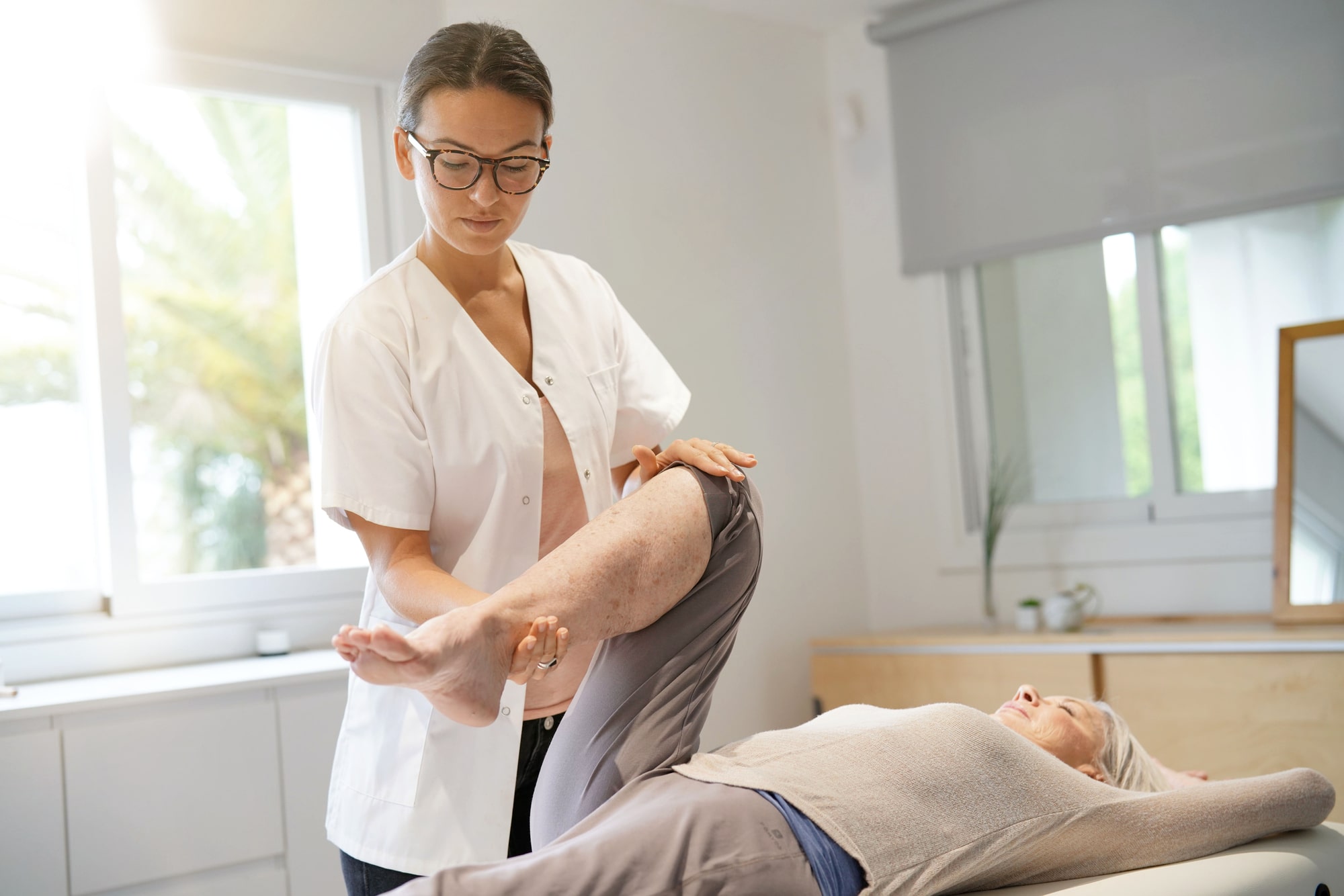
Staying mobile is crucial for seniors to continue enjoying their daily activities and maintaining independence. Physical therapy focuses on exercises and techniques that improve strength, flexibility, and balance. By working on these areas, we can help prevent falls and enhance overall movement. Our personalized programs are designed to meet the unique needs of each individual, ensuring that seniors can move with greater ease and confidence.

Can Physical Therapy Reduce Pain From Chronic Conditions?

Many seniors suffer from chronic conditions such as arthritis, osteoporosis, and lower back pain. Physical therapy can be highly effective in managing and reducing pain associated with these conditions. Through targeted exercises, manual therapy, and other modalities, we work to alleviate discomfort and improve function. Regular sessions can lead to significant pain relief, allowing seniors to enjoy a better quality of life without relying solely on medications.

What Role Does Physical Therapy Play In Recovery After Surgery?

Recovering from surgery can be a challenging process, especially for seniors. Physical therapy is essential in ensuring a smooth and effective recovery. We develop tailored rehabilitation programs that focus on regaining strength, flexibility, and range of motion. Our integrated approach helps speed up the recovery process, minimizes the risk of complications, and supports seniors in returning to their normal activities more quickly and safely.

Is Physical Therapy Beneficial For Preventing Falls?

Falls are a major concern for seniors, often leading to serious injuries and a loss of independence. Physical therapy plays a crucial role in fall prevention. We assess each senior’s risk factors and create a customized plan that includes balance exercises, strength training, and coordination activities. By improving these aspects, we help reduce the likelihood of falls and enhance overall stability, giving seniors and their families peace of mind.

How Does Physical Therapy Support Overall Health And Wellness?

Beyond addressing specific issues, physical therapy contributes to overall health and wellness. Regular sessions can improve cardiovascular health, boost mood, and increase energy levels. Engaging in physical activity under the guidance of a trained therapist ensures that exercises are performed safely and effectively. This holistic approach helps seniors maintain their independence, stay active, and enjoy a healthier lifestyle.

Physical therapy offers numerous benefits for seniors, from improving mobility and reducing pain to enhancing overall health and preventing falls. With over seventeen years of experience, we’re dedicated to providing personalized care that meets the unique needs of each individual, ensuring they can enjoy their golden years to the fullest. If you or a loved one could benefit from physical therapy services in Baltimore, don’t hesitate to reach out to Baltimore Physical Therapy Services. Let’s work together to improve your quality of life and keep you moving with confidence and integrity. Contact us at LeMoine Physical Therapy today to schedule an appointment and take the first step towards a healthier, more active future.

back pain therapy Baltimore, MD

The Benefits Of Physical Therapy For Back Pain Relief

Back pain is a common issue that affects people of all ages. Whether it’s caused by poor posture, an injury, or a chronic condition, it can disrupt daily activities and reduce quality of life. Baltimore, MD back pain therapy is a safe and effective way to find relief without relying on medication or surgery.

Why Physical Therapy Works

Physical therapy helps address the root cause of back pain rather than just treating the symptoms. Through targeted exercises, stretching routines, and hands-on techniques, we work to improve mobility, strengthen muscles, and reduce strain on the spine. The goal is to restore function and prevent future pain from returning.

When we first meet with a patient, we assess their movement, posture, and any limitations they may have. This allows us to create a customized plan that focuses on the specific muscles and joints contributing to their discomfort. Over time, consistent treatment can lead to long-term improvements in strength, flexibility, and overall back health.

Common Causes Of Back Pain

Many factors contribute to back pain, and physical therapy can be beneficial for a wide range of conditions. Muscle strains from overuse, improper lifting, or sudden movements often lead to pain and stiffness, and therapy helps strengthen and stretch these muscles to prevent further injury. Herniated discs, which occur when the soft cushion between spinal bones slips out of place and puts pressure on nerves, can be treated with exercises that relieve pressure and improve spinal alignment. Sciatica, a condition where pain radiates down the leg from the lower back, can also be managed through targeted stretches and movements. Postural issues, common among those who sit for long hours or have poor spinal alignment, often lead to chronic discomfort, and therapy helps retrain the body to maintain proper posture. Additionally, arthritis and degenerative conditions, such as osteoarthritis, can cause stiffness and pain, but physical therapy focuses on increasing mobility and reducing inflammation to make movement easier.

Long-Term Benefits Of Physical Therapy

One of the biggest advantages of physical therapy is that it provides immediate pain relief and lasting benefits. Patients learn proper movement patterns, reduce their risk of re-injury, and gain the tools needed to manage their condition over time. Unlike medication, which only temporarily masks pain, therapy helps correct the underlying issue.

By committing to a treatment plan, many patients experience improved mobility, increased strength, and greater confidence in their ability to stay active. Whether it’s getting back to work, enjoying hobbies, or simply being able to move without discomfort, physical therapy plays a key role in helping people regain their quality of life.

Start Your Path To Relief

If you have back pain, you don’t have to suffer alone. At LeMoine Physical Therapy, we work with patients to provide targeted treatments that support recovery and long-term wellness. Back pain doesn’t have to control your life. Taking action can make a significant difference in how you move, feel, and function every day. Contact us today to schedule an appointment and take the first step toward a pain-free life.

sports therapy Baltimore, MD

Unlock Peak Performance With Baltimore, MD Sports Therapy

Sports therapy keeps you in top physical condition, helps you heal after an injury or surgery, and can enhance your overall performance, whether you’re a weekend warrior or a professional. At LeMoine Physical Therapy, we get you back into fighting form with our custom sports therapy programs. We combine innovative rehabilitation technology with proven physical therapy techniques to address the underlying cause of chronic pain, limited range of motion, and overuse injuries. We also provide Baltimore, MD sports therapy services for people recovering from surgery or an injury.

For the best sports physical therapy Maryland has to offer, turn to the LeMoine team. Please call our clinic today for a personalized assessment and treatment plan.

Sports Therapy For Faster Injury Recovery

Although some of our clients choose sports therapy to enhance their performance, most athletes we see are here to help rehabilitate an injury or recover from a medical procedure, including surgery. Sports injuries cover a wide range of damage, from head to toe. Although our clinics do not provide concussion and head trauma rehabilitation, we can treat all other types of sports injuries. Most of the injuries we treat involve damage to the musculoskeletal system, including your ligaments, tendons, muscles, and joints.

In fact, the musculoskeletal system is our main focus. And, you don’t have to be an athlete to suffer a musculoskeletal injury. Many of our patients come to us after an injury on the job, in the gym, or even after playing with their children. Call us today if you experienced:

  • Bone fracture
  • Strain or sprained muscle
  • Knee injuries, including IT band injuries
  • Overuse strain, including carpal tunnel syndrome and tennis elbow (bursitis)
  • Rotator cuff tears
  • Shin splints and muscle separation from the bone
  • Dislocated joints

Don’t suffer another day in pain. Our sports medicine therapy includes pain management and precise treatment of injuries.

We Provide Comprehensive Treatment Options For Sports Injuries

We develop our treatment program for your sports injury based on your current condition and recovery goals. Your goal may be to simply be able to move independently again or to get back into play as an athlete. We listen to your concerns and work with your primary care physician to ensure you’re completely cared for.

Sports injury rehabilitation starts with a diagnosis, often involving imaging tests, like an X-ray or MRI, to understand the full extent of the injury. Then, we start with the least invasive treatment possible, leaving surgery as a last resort. If there is significant damage, though, we may take a more aggressive approach. We also include pain management in our treatment plan.

Your plan also includes exercises you can do at home to treat the injury and enhance your flexibility, stability, and balance. Daily practice can help you avoid re-injury and improve your overall performance as an athlete.

Start Your Journey To Recovery Now

Don’t put off recovery after a sports or overuse injury. Our Baltimore sports therapy clinic can help anyone, from teens to seniors. Contact LeMoine Physical Therapy today for a personalized evaluation from our expert medical team.