 Give Us a Call: (410) 498-8828

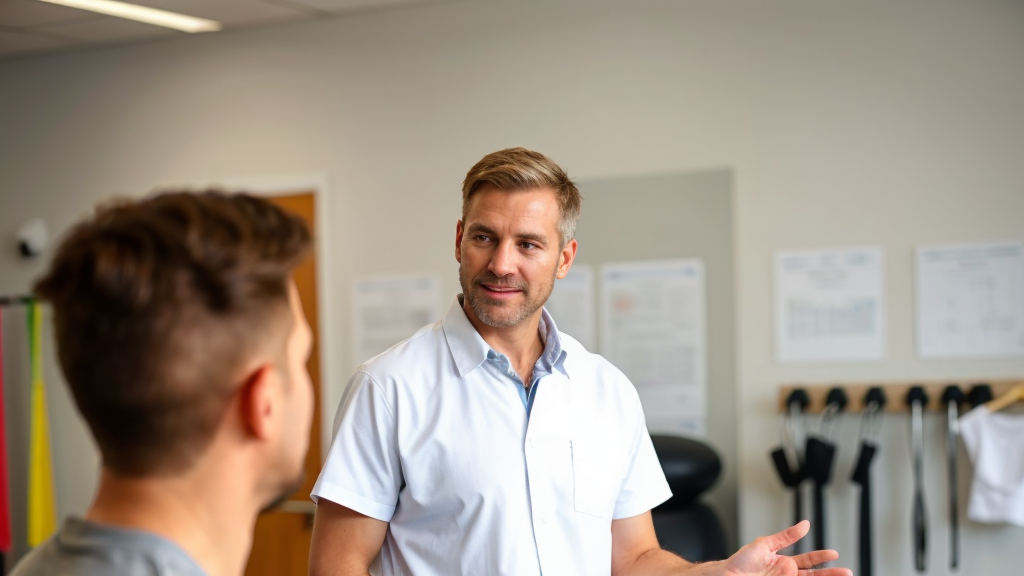
Physical therapy practice grounded in 17 years of clinical experience and a Doctor of Physical Therapy degree from the University of Maryland School of Medicine.
If you’re recovering from surgery, managing chronic pain, or working to regain mobility after an injury in Baltimore, the right physical therapy provider matters. Dr. Gregory LeMoine founded LeMoine Physical Therapy in 2007. He earned his Doctor of Physical Therapy from the University of Maryland School of Medicine and brings more than 17 years of clinical experience to every patient he treats. His approach centers on identifying the root cause of a condition rather than managing symptoms alone. Our Baltimore, MD physical therapy clinic is accepting new patients for initial evaluations. Contact us today to learn more.
Physical Therapy Provider in Baltimore, MD
Physical therapists evaluate, diagnose, and treat conditions that affect how you move. That includes everything from post-surgical stiffness and chronic joint pain to neurological disorders and workplace injuries.
Our Baltimore physical therapy clinic provides outpatient rehabilitation for patients of all ages. You come in for scheduled visits, work through a structured treatment plan, and make measurable progress toward specific goals. We treat teenagers dealing with growth-related sports injuries, adults recovering from car accidents, and older patients managing conditions like osteoarthritis or balance problems that interfere with daily life.
Physical Therapy Services We Offer in Baltimore
LeMoine Physical Therapy provides a full scope of rehabilitation services at our Baltimore, MD clinic. Every program starts with an initial evaluation so we can assess your condition, identify what’s limiting you, and build a plan around your specific recovery goals.
- General Physical Therapy. We routinely address musculoskeletal injuries, back pain, joint stiffness, and reduced mobility through therapeutic exercise, stretching, and functional training. Whether you fell at home or are managing a degenerative condition, treatment is built to reduce pain and restore how you move.
- Manual Therapy. A hands-on approach that targets joint restrictions, muscle imbalances, and soft tissue pain. Techniques include joint mobilization and direct pressure to improve range of motion and relieve stiffness that limits daily activity.
- Auto Accident Injuries. Car and truck collisions commonly cause whiplash, neck pain, and soft tissue damage that worsens over time without proper care. Rehabilitation after an accident helps patients regain strength, restore mobility, and return to daily function.
- Work Injuries. On-the-job injuries from falls, repetitive motion, or overexertion need structured rehab. We design return-to-work programs and coordinate within the workers’ compensation process to help employees recover safely.
- Hand Therapy. Tendonitis, carpal tunnel syndrome, and post-surgical hand conditions require focused treatment. Programs target grip strength, fine motor control, and dexterity so patients can return to the tasks they depend on.
- Neurology. Stroke recovery, coordination disorders, and other neurological conditions benefit from rehab programs designed to improve motor control, balance, and the ability to perform everyday tasks independently.
- Vestibular and Balance Rehabilitation. Dizziness, vertigo, and gait instability affect patients of all ages. According to CDC fall prevention data, falls are the leading cause of injury death among adults 65 and older. Vestibular therapy reduces that risk through targeted balance training and repositioning techniques.
- Sports Injuries Therapy. Sprains, strains, tendonitis, and overuse injuries require careful rehabilitation. Our sports injury therapy programs help athletes at every level restore function, rebuild strength, and develop strategies that reduce the chance of reinjury.
- Pediatric Physical Therapy. Young patients face unique challenges tied to growth and development. Our pediatric physical therapy programs treat sports injuries, flexibility limitations, and movement problems in children and teenagers with age-appropriate care.
- TMJ Therapy. Jaw pain, headaches, clicking, and grinding are all signs of temporomandibular joint dysfunction. Physical therapy can improve jaw mobility and reduce pain without surgery or medication.
- Kinesio Taping. Therapeutic taping supports muscles and joints during recovery. It is used alongside other treatments to reduce swelling, provide structural support, and protect healing tissue.
Why Choose LeMoine Physical Therapy for Physical Therapy in Baltimore, MD?
A Practice Built on Hands-On, Patient-Centered Care
LeMoine Physical Therapy was not built around volume. Dr. Gregory LeMoine started this clinic because he believed rehabilitation should focus on the individual, not cycle patients through a system. He graduated from the University of Maryland School of Medicine in 2002, completed his Doctorate in Physical Therapy in 2004, and is a licensed physical therapist in the state of Maryland. He is CPR registered and a member of the American Physical Therapy Association. In 2007, he received the Patient’s Choice Award for his dedication to helping patients reach their recovery goals.
Working alongside Dr. LeMoine is Christian Bialek, a licensed Physical Therapist Assistant who first came to the practice as an undergraduate intern from Towson University and later returned after completing his PTA program at Baltimore City Community College. Christian works directly with patients during their rehab sessions, guiding them through therapeutic exercises and monitoring their progress.
We built our practice around our patients, not around billing codes. We also accept a range of payment and insurance options so that cost does not stand between you and the care you need. Our Baltimore office also serves patients from surrounding communities including Rosedale, Dundalk, Essex, and White Marsh.
Understanding Physical Therapy Care
Conditions We Treat and Treatment Options
Physical therapy addresses a wide range of conditions. Some patients come to us after a surgical procedure. Others visit because pain or stiffness has gradually taken over their daily routine, and rest alone has not fixed it. These are some of the most common reasons people seek care at our physical therapy clinic in Baltimore:
- Chronic neck or back pain that has not responded to rest or medication
- Post-surgical recovery for joint replacements, ligament repairs, or spinal procedures
- Workplace injuries such as repetitive strain, lifting injuries, or slip-and-fall incidents
- Sports injuries including sprains, strains, and overuse conditions
- Neurological conditions like stroke, Parkinson’s disease, or traumatic brain injury
- Balance and vestibular disorders that cause dizziness or increase fall risk
- TMJ dysfunction resulting in jaw pain, headaches, or limited jaw movement
Treatment depends on the diagnosis but typically includes therapeutic exercise, manual therapy, neuromuscular re-education, balance training, and modalities such as kinesio taping. The goal is always to reduce pain, restore function, and provide you with tools to maintain progress on your own. Long-term recovery often depends on maintaining joint health well beyond your last appointment.
What Should You Expect from Physical Therapy?
What happens during treatment varies by diagnosis and severity, but here is a general overview of physical therapy at our Baltimore, MD clinic:
- An initial evaluation where the therapist assesses your strength, range of motion, pain levels, and functional limitations
- A treatment plan with measurable goals connected to your daily activities, work demands, or athletic performance
- Regular sessions that combine hands-on techniques, guided therapeutic exercise, and ongoing reassessment of your progress
- A home exercise program you follow between visits, with periodic adjustments to your plan as your condition improves and your goals evolve
What Is the Typical Treatment Timeline?
Every case is different. A mild soft tissue strain may resolve in three to four weeks of consistent therapy. A total knee replacement could require several months. Here is a general framework:
- Your first visit includes the initial evaluation, baseline measurements, and an introduction to your treatment plan
- During the first two to four weeks, treatment focuses on pain reduction, inflammation management, and restoring basic range of motion
- Around the four-week mark, your therapist reassesses your progress and adjusts your plan based on how your body is responding
- Over the following weeks, therapy shifts toward strengthening, functional training, and activity-specific rehabilitation
- As you approach your goals, you transition to a home maintenance program designed to preserve what you’ve gained
- Some conditions require periodic follow-up visits to prevent regression, particularly after major surgery or with chronic diagnoses
Timelines depend on your age, overall health, injury severity, and how consistently you follow through with your home program. Waiting too long to address recurring pain, stiffness, or limited range of motion often allows compensatory habits to develop that create secondary problems. Patients who recognize early warning signs and begin treatment sooner tend to recover faster.
What Should You Bring to Your First Visit?
If you have not been to our clinic before, here is what to have ready for your first visit:
- Your insurance card, a valid photo ID, and a physician referral or prescription if your plan requires one
- A list of current medications with dosages, along with any relevant imaging or medical records from previous providers
- Comfortable clothing that allows you to move freely during your evaluation
Plan to arrive a few minutes early to complete intake paperwork. Your therapist will review your medical history, perform a physical assessment, and discuss your treatment options before any hands-on care begins.
What Are Some Important Maryland Physical Therapy Resources?
If you want to verify a physical therapist’s license, research conditions and treatments, or review rehabilitation standards in Maryland, these resources are a good starting point:
- Maryland PT licensing board. This is the state agency that oversees physical therapist and physical therapist assistant licensing in Maryland, including credential verification and disciplinary actions.
- NIH rehabilitation resources. The National Institutes of Health publishes research-backed information on rehabilitation, physical therapy techniques, and related medical conditions through MedlinePlus.
- CDC fall prevention data. The Centers for Disease Control and Prevention tracks fall-related injuries and deaths and publishes evidence-based prevention guidelines directly relevant to balance and vestibular rehab.
These resources do not replace working with a licensed physical therapist who can evaluate your specific condition and recommend a treatment plan.
Contact LeMoine Physical Therapy
If you are dealing with pain, recovering from an injury or surgery, or trying to get back to the activities that matter to you, we encourage you to schedule an initial evaluation at our physical therapy clinic in Baltimore, MD. Dr. Gregory LeMoine and the licensed rehabilitation team at LeMoine Physical Therapy work with each patient individually to build a recovery plan around your condition, your goals, and your life.
Our clinic serves patients throughout the greater Baltimore area and surrounding communities. Contact us to schedule your first appointment.