 Give Us a Call: (410) 498-8828

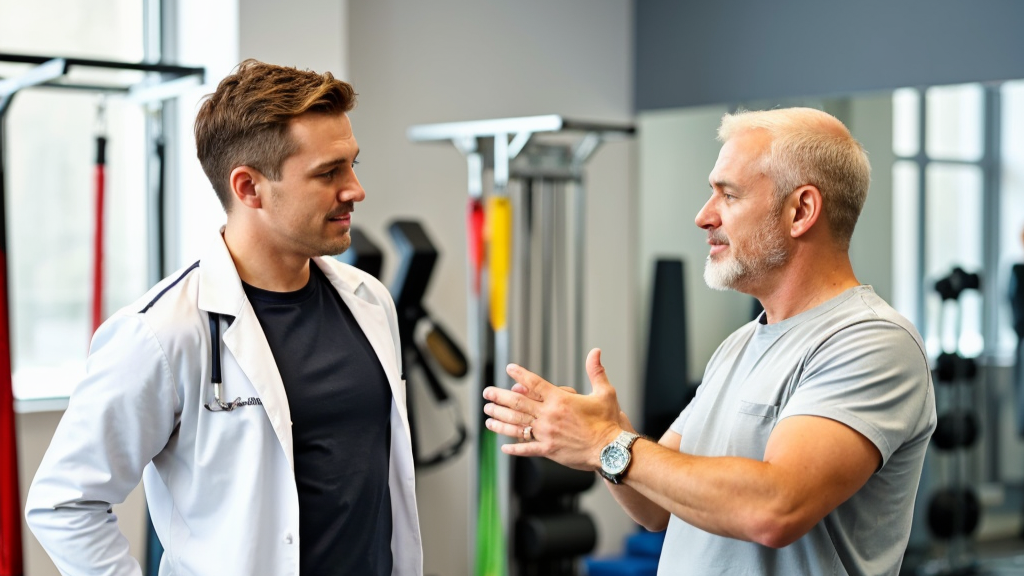
Outpatient physical therapy services delivered by a Doctor of Physical Therapy with over 17 years of hands-on clinical experience in Baltimore, MD.
If you’re looking for physical therapy services in Baltimore that treat the full picture and not just the symptoms, LeMoine Physical Therapy was built for that purpose. Dr. Gregory LeMoine earned his Doctor of Physical Therapy from the University of Maryland School of Medicine and has practiced in the Baltimore area since 2007. He brings more than 17 years of experience in outpatient orthopedic rehabilitation, post-surgical recovery, and injury-related functional training. Our Baltimore, MD physical therapy services begin with a thorough initial evaluation designed to uncover what is actually driving your condition. Contact us today to get started.
Physical Therapy Services in Baltimore, MD
Physical therapy is not a single treatment. It is a category of care that spans manual techniques, therapeutic exercise, neurological rehabilitation, injury-specific protocols, and more.
At LeMoine Physical Therapy, we provide outpatient rehabilitation services to patients across Baltimore and the surrounding communities. Our programs serve people recovering from surgery, managing chronic conditions, dealing with workplace injuries, or working to return to sports and daily activities after an accident or illness.
Physical Therapy Services We Offer in Baltimore
Our Baltimore, MD clinic offers a range of physical therapy services under one roof. Each treatment plan begins with an initial evaluation to assess your condition and build a path forward based on where you are and where you need to be.
- General Physical Therapy. Our foundational service addresses orthopedic conditions including joint pain, post-fracture rehabilitation, and mobility restrictions. Treatment combines therapeutic exercise with manual techniques and functional retraining to help patients move with less pain and greater confidence.
- Manual Therapy. Joint mobilization, soft tissue work, and hands-on correction of dysfunctional movement patterns. Manual therapy is particularly effective for patients dealing with chronic back pain, shoulder impingement, and stiffness that limits how far you can reach, bend, or turn.
- Auto Accident Injuries. Collisions often produce injuries that feel minor at first and worsen in the days and weeks that follow. Whiplash, neck injuries, and soft tissue strains all respond well to structured rehabilitation that restores range of motion and prevents long-term complications.
- Work Injuries. Employees hurt on the job through repetitive motion, heavy lifting, or falls need rehab built around a realistic return-to-work timeline. We coordinate with the workers’ compensation process and design programs that match the physical demands of your position.
- Hand Therapy. Conditions affecting the hand and wrist, including carpal tunnel syndrome, tendon repairs, and post-surgical stiffness, require precise rehabilitation. Programs focus on restoring grip strength, finger dexterity, and the fine motor control needed for daily tasks and job performance.
- Neurology. Patients recovering from stroke, managing Parkinson’s disease, or living with other neurological conditions benefit from rehab that targets coordination, motor planning, and functional independence. Each program accounts for the unique progression of the underlying condition.
- Vestibular and Balance Rehabilitation. Vertigo, dizziness, and unsteady gait affect far more people than most realize. Our vestibular programs use repositioning maneuvers and progressive balance training to reduce fall risk and help patients feel stable on their feet again.
- Sports Injury Physical Therapy. From weekend athletes to competitive players, sports injury rehabilitation requires a plan that accounts for the specific demands of your sport. We treat sprains, strains, knee injuries, tendonitis, and overuse conditions with the goal of safe return to full activity.
- Pediatric Physical Therapy. Young patients are not small adults. Growth plates, developing musculature, and activity levels all factor into how we approach pediatric rehabilitation for sports injuries, coordination problems, and flexibility issues in children and teenagers.
- TMJ Therapy. Temporomandibular joint disorders cause jaw pain, headaches, clicking, and difficulty opening the mouth fully. Physical therapy addresses the muscular and joint dysfunction behind these symptoms and can reduce pain without surgical intervention.
- Kinesio Taping. Therapeutic taping provides structural support to muscles, tendons, and joints during recovery. It is frequently used alongside other physical therapy services to manage swelling and protect injured areas between treatment sessions.
Why Choose LeMoine Physical Therapy for Rehabilitation Services in Baltimore, MD?
Clinical Training and Credentials
Dr. Gregory LeMoine completed his physical therapy degree at the University of Maryland School of Medicine in 2002 and earned his Doctorate in Physical Therapy from the same institution in 2004. He is a licensed physical therapist in Maryland, CPR registered, and a member of the American Physical Therapy Association. He received the Patient’s Choice Award in 2007, the same year he founded the practice.
Christian Bialek serves as a licensed Physical Therapist Assistant on the team. Christian earned his Bachelor of Science in Exercise Science from Towson University before completing his PTA program at Baltimore City Community College. He first joined LeMoine Physical Therapy as an intern and later returned full-time to work alongside patients through their rehabilitation programs.
A Drug-Free Approach to Rehabilitation
Too many patients cycle through treatments that mask pain temporarily without addressing why the pain exists in the first place. Dr. LeMoine founded this practice specifically to change that pattern. The clinic’s approach prioritizes identifying the mechanical source of a condition and building a drug-free treatment plan around it. That philosophy has guided our work with Baltimore patients for more than 17 years.
We accept a range of payment and insurance options. Our office serves patients from Baltimore, MD and surrounding towns including Rosedale, Dundalk, Essex, and White Marsh.
Understanding Physical Therapy Services
Conditions We Treat and Treatment Options
Physical therapy services cover far more ground than most people expect. Many patients arrive assuming rehabilitation is only for post-surgical recovery, but the conditions we target at our Baltimore clinic span a much wider range:
- Post-surgical rehabilitation for joint replacements, ACL repairs, rotator cuff surgery, and spinal procedures
- Chronic pain in the neck, back, shoulders, hips, or knees that has not improved with rest alone
- Motor vehicle accident injuries including whiplash, soft tissue damage, and reduced range of motion
- Neurological conditions such as stroke recovery, Parkinson’s disease, and traumatic brain injury
- Repetitive strain and overuse injuries from work or athletic activity
- TMJ disorders, vestibular dysfunction, and pediatric movement conditions
Treatment options are selected based on your diagnosis and may include therapeutic exercise, manual therapy, neuromuscular re-education, gait training, balance work, and taping techniques. The impact of physical therapy goes beyond pain relief for many of these patients, improving mobility, independence, and the ability to return to meaningful daily activity.
What Should You Expect from Physical Therapy Services?
Many patients feel uncertain about what happens once they walk through the door, partly because misconceptions about therapy are surprisingly common. While each program looks different, here is the general structure:
- Your therapist performs an initial evaluation that includes strength testing, range of motion measurement, and a detailed review of your symptoms and medical history
- Based on that evaluation, you receive a treatment plan with specific, measurable goals tied to the activities you want to return to
- Treatment sessions combine hands-on care with guided exercises, and your plan is adjusted as your body responds and progresses
What Is the Typical Treatment Timeline?
Recovery timelines vary widely. A patient with a mild ankle sprain is on a different track than someone rehabbing a total hip replacement. Here is a general idea of how physical therapy services progress:
- The initial evaluation takes place during your first visit and sets the baseline for everything that follows
- Early sessions focus on reducing pain and inflammation while carefully restoring basic movement
- Intermediate sessions shift toward building strength, improving endurance, and reintroducing functional activities
- The final phase transitions you to an independent home maintenance program with periodic check-ins if your condition warrants them
Not all conditions follow a straight line. Setbacks happen, and your therapist will adjust the plan when they do. Orthopedic injuries in particular often involve periods of rapid progress followed by plateaus that require a shift in strategy.
What Should You Bring to Your First Visit?
Bring the following to your first visit at our Baltimore clinic:
- Your insurance card, a photo ID, and any physician referral your plan may require
- Current medication list along with imaging or records from other providers who have treated your condition
- A list of questions about your diagnosis, treatment options, or what the rehabilitation process will look like
- Clothing that allows full range of movement during your physical assessment
Your therapist will review your history, evaluate your condition, and explain your treatment options before beginning any hands-on work.
What Are Some Important Maryland Physical Therapy Resources?
Patients who want to research physical therapy standards, verify a therapist’s credentials, or review treatment information from independent sources can start here:
- Maryland PT licensing board. The state board responsible for licensing physical therapists and physical therapist assistants in Maryland, with tools for credential verification and complaint filing.
- NIH rehabilitation guide. MedlinePlus, a service of the National Institutes of Health, provides a research-backed overview of physical medicine and rehabilitation including what to expect from different types of therapy.
- CDC falls prevention. The Centers for Disease Control and Prevention publishes data on fall-related injuries and evidence-based guidelines for prevention, relevant for patients exploring vestibular or balance rehabilitation.
No online resource replaces working with a licensed physical therapist who can evaluate your condition in person and recommend an appropriate course of treatment.
Contact LeMoine Physical Therapy
Whether you are recovering from surgery, dealing with a new injury, or managing a condition that has gone untreated for too long, we are here to help. Dr. Gregory LeMoine and the licensed team at LeMoine Physical Therapy provide physical therapy services in Baltimore, MD with a focus on understanding each patient’s condition and building a plan around it.
Our clinic welcomes new patients for initial evaluations. Contact us to schedule your appointment.
Physical Therapy Statistics in Baltimore
 Sore backs, worn-down joints, and unsteady balance send millions of Americans into rehabilitation every year, and together they add up to a staggering amount of missed work and medical spending. Baltimore is no exception. Between office workers hunched over desks, tradespeople lifting all day, athletes pushing their limits, and a population that keeps getting older, the city sees no shortage of strained and aching bodies.
A handful of numbers put that demand in perspective. None of these conditions are rare, and most respond better to movement than to rest or medication alone, which is why physical therapy has become a first stop for so many people instead of a last resort.
- Back pain is the leading cause of disability in the world, and somewhere between 60% and 80% of people will deal with it at some point. For many of them it comes and goes for years before they ever try rehab.
- Osteoarthritis affects around 33 million adults in the United States. That makes it the most common form of arthritis and one of the most frequent reasons people begin rehabilitation.
- One in four adults over 65 falls each year. Most of those falls trace back to weak muscles and poor balance, and both of those improve with the right training.
Questions to Ask a Physical Therapist Before You Start
Not every clinic is the right fit for every patient. Before you commit to a course of treatment, a few pointed questions can tell you a lot about whether a provider matches your condition and your goals. Here is what we suggest asking.
- Is the therapist licensed and experienced with my condition? Every practicing therapist in Maryland holds a state license, but hands-on experience varies widely. Ask how often the clinic treats your particular problem, whether that is a rotator cuff repair or vertigo.
- Do they focus on the kind of care I need? Some clinics lean toward sports rehab, others toward neurological or orthopedic work. If your issue is a stiff joint or a post-surgical knee, an orthopedic therapist is a better match than a generalist.
- Who will actually run my sessions? At some practices you see a different face every visit. Ask whether one therapist will follow your case from start to finish, because continuity matters a great deal when a plan needs adjusting midstream. A consistent provider learns how your body responds and adjusts sooner.
- How will progress be measured? A good answer involves specifics: range of motion in degrees, strength benchmarks, the daily tasks you want back. Vague reassurance is a warning sign. You want physical therapy specialists who track real numbers, not just how you say you feel.
- What does a plan look like for my case? Nobody can promise an exact timeline on day one. But an experienced provider can give you a realistic range and explain the factors that will lengthen or shorten it.
- Will I get a home program? The work you do between visits often decides how fast you recover. Ask whether you will leave with exercises and clear instructions, not only hands-on treatment inside the clinic. Consistent home work often shortens the overall course of care.
- How do you handle insurance and payment? Cost should not be a mystery. Ask what your plan covers, what a visit runs without coverage, and whether payment options are available if you need them.
- What happens if I stop improving? Plateaus are normal in any recovery. A therapist worth choosing will explain how they adjust when progress stalls, and when they would send you back to a physician for another look.
Baltimore Physical Therapy FAQs
Do I need a doctor’s referral to see a physical therapist in Baltimore?
Maryland allows direct access, so in most cases you can start physical therapy without a physician’s referral. Your insurance may still require one for coverage, and there are limits on how long treatment can continue without a physician’s sign-off. The simplest first move is to call your insurer and ask. If a referral turns out to be necessary, your primary care doctor or a specialist can usually provide one without much delay.
How much does physical therapy cost?
It depends on your coverage. With insurance, you will generally owe a copay or coinsurance per visit until you meet your deductible. Without insurance, we offer payment options and can quote you a per-visit rate up front. The larger factor is how many visits you need, which we estimate after your first evaluation.
Will physical therapy hurt?
Some discomfort is normal, especially early on when a joint is stiff or a muscle has weakened. Good therapy works at the edge of what you can tolerate, not past it. If an exercise causes sharp or lasting pain, we change it. The aim is steady progress, not pushing you through pain.
How is a physical therapist different from a chiropractor?
Both treat musculoskeletal pain, but the approach differs. Physical therapy centers on active rehabilitation, rebuilding strength, mobility, and function through guided movement, hands-on techniques, and a home program. It fits well when you want to correct the underlying weakness rather than manage symptoms through repeated adjustments. Many patients use both at different stages.
Can physical therapy help with arthritis?
Yes. Therapy cannot reverse joint damage, but it can meaningfully cut pain and keep you moving. For knee and hip arthritis especially, osteoarthritis treatment built around strengthening and joint protection often delays or avoids surgery. Staying active is one of the better things you can do for an arthritic joint, and a therapist helps you do it without making the pain worse.
Do you treat older adults with balance problems?
Often. Dizziness, unsteadiness, and a history of falls are common reasons older Baltimore residents come in. Balance work and gait rehabilitation retrain the systems that keep you upright and lower the odds of a serious fall. For a lot of older patients, this is some of the most valuable work we do together.
How many visits will I need?
There is no universal answer, as the timeline for a sprained ankle differs substantially from that of post-stroke rehabilitation. Many orthopedic cases run somewhere between six and twelve visits, while surgical or complex conditions take longer. After your first evaluation, we give you a realistic range and revisit it as you go.
Do you work with athletes?
We do, from high schoolers to weekend warriors. Sprains, tendonitis, and overuse injuries all respond to targeted rehab, and our Baltimore sports therapy programs focus on a safe return to your sport rather than a rushed one that invites the next injury.
Important Resources for Baltimore Physical Therapy Cases
Physical Therapy and the Baltimore Area’s Aging Population
Baltimore’s population is growing older, and that shift shapes the kind of rehabilitation the region needs most. Falls are the clearest example. Nationally, more than one in four older adults falls each year, and fewer than half mention it to their doctor. Fall rates vary by state, and Maryland’s aging communities feel the effect directly.
Much of that risk comes down to weakness and poor balance, both of which respond well to physical therapy. The National Council on Aging recommends regular balance screening, and strengthening the legs and core is a large part of what actually brings the risk down. For older Baltimore residents, building strength and steadiness is one of the best ways to stay independent.
What Are Important Local Resources for Baltimore Physical Therapy?
Physical therapy is one piece of a larger network of rehabilitation and wellness support across the Baltimore area. If you need hospital-based care, help navigating services as an older adult, or community programs, these organizations are worth knowing.
- GBMC HealthCare, 6701 N. Charles Street, Towson, (443) 849-2000. A Greater Baltimore hospital offering rehabilitation medicine and outpatient services.
- Maryland Department of Aging, 36 S. Charles Street, Baltimore, (410) 767-1100. Funds fall-prevention and balance programs such as A Matter of Balance.
- Baltimore Division of Aging, (410) 396-2273. Connects older residents and caregivers with services supporting mobility and independence.
LeMoine Physical Therapy is not affiliated with these organizations and does not endorse them. They are provided only as a convenience for patients looking for additional Baltimore-area support.
About LeMoine Physical Therapy
LeMoine Physical Therapy has grown into a Baltimore practice that treats a wide span of conditions under one roof, from post-surgical recovery and sports injuries to arthritis, balance disorders, and work-related strain. Dr. Gregory LeMoine sees patients personally and keeps the same therapist on a case from evaluation through discharge. That continuity is a big part of why so many finish care able to return to the work, sport, and daily routines that pain had interrupted. It also means the plan can change the moment progress stalls, not weeks later at a scheduled reassessment.
What Our Clients Say
★★★★★
“The doctor and staff are very nice. They are really attentive to my pain level and make sure I’m comfortable when I have my visits. The scheduling is always according to my time. I recommend anyone who is experiencing pain from an accident or work related incident to come to this location. They will make you feel better in your progress to getting back to your full body condition. Thanks for healing my body.”
Desiree Berkley
Read more reviews on our Google Business Profile.
Additional Resources for Baltimore Physical Therapy Cases
- Signs You Could Benefit From Physical Therapy
- The Four Most Common Reasons Why Patients Seek Out Physical Therapy
- 10 Reasons Why Physical Therapy Is Beneficial
- Unlocking Mobility With Physical Therapy
- 7 Reasons to Consider Telehealth Physical Therapy
Contact LeMoine Physical Therapy
If pain, stiffness, or a nagging injury is holding you back, physical therapy is often the most direct way forward. We treat patients across Baltimore, and it starts with a single evaluation. We accept most major insurance plans and offer payment options for patients without coverage. New patients are usually seen within a few days, and the first visit includes a hands-on assessment and a plan for your goals. Contact us to schedule your physical therapy evaluation in Baltimore, MD.